
What is a commercial invoice?
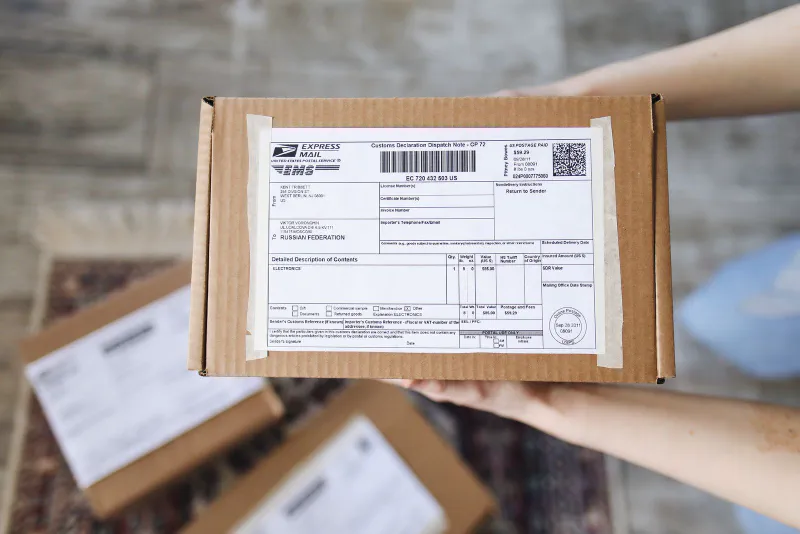
For all international shipments, a commercial invoice must be attached to the parcel for it to clear the export and import process. It is often used for foreign exchange purposes, and import duties and taxes are assessed after customs reviews it.
The Commercial Invoice Process
Let’s walk through the process of preparing and using commercial invoices for international shipping:
Commercial Invoice Process
What if I don’t attach one to my package?
Unfortunately, shipments without a commercial invoice will likely be “returned to sender” as this is a required document. At I’d Ship That, we are often contacted by the carrier when such documents are missing and can sometimes resolve the issue and restore deliverability. That being said, it is always a good idea to attach both the shipping label and commercial invoice to the outside of the parcel.
Why are there multiple copies of the commercial invoice for my shipment?
You may end up with as many as 3 pages of commercial invoice for one shipment, which is common with UPS packages. In that case, print all 3 pages single sided and affix them in a commercial invoice envelope on the outside of the package. As the package makes its journey, copies may be pulled and retained for documentation, so attach all 3 in an easy-to-remove fashion.
Best practices for international shipping
To ensure your international shipments go smoothly:
-
Proper Documentation: Always include a commercial invoice with your international shipments.
-
Package Protection: Use proper packaging to protect your items during international transit.
-
Insurance Coverage: Consider shipping insurance for valuable international shipments.
-
Track Your Shipments: Use tracking information to monitor your international packages.
Related Topics
- Learn about proper packaging for international shipments
- Understand the importance of shipping insurance for international packages
- Discover how to track your shipments internationally
- Read about unexpected shipping costs for international shipping