
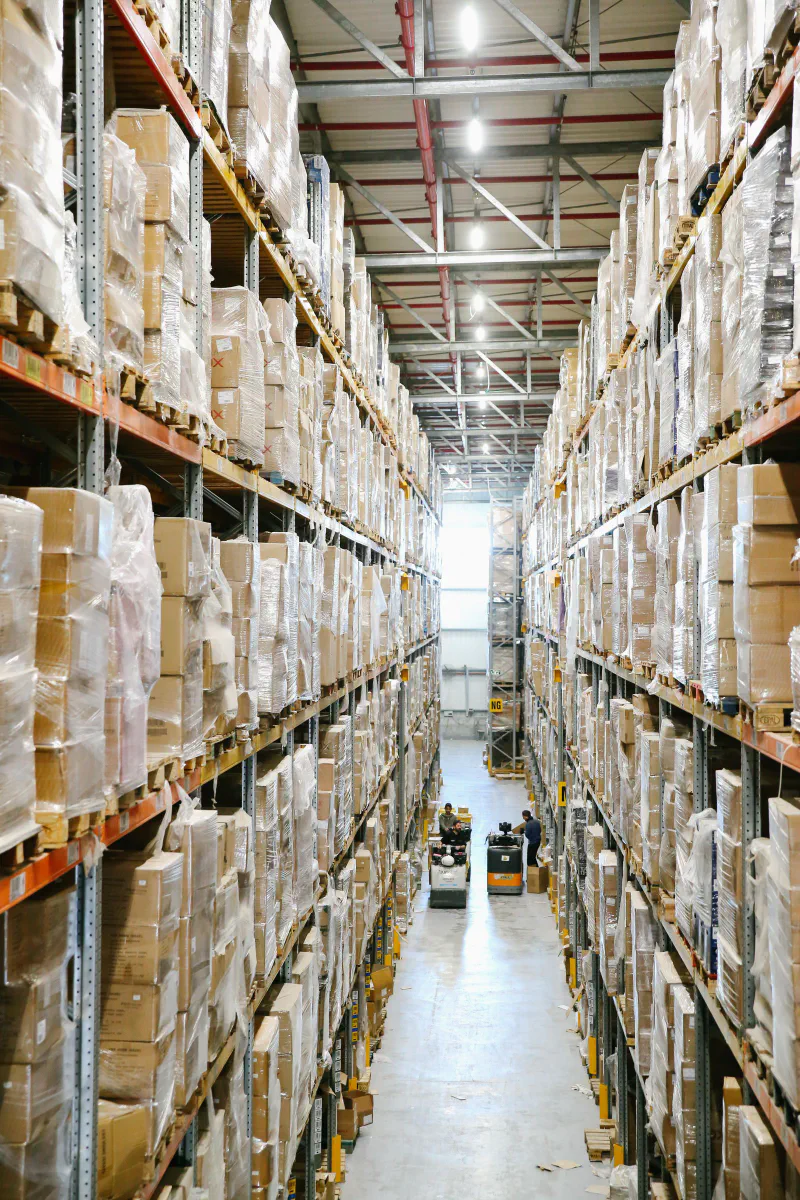
Logistics is a crucial part of the shipping process and a key driver of well-run supply chains. This article breaks down what logistics does in shipping and how it shapes supply chain management.
The Logistics Process
Let’s explore the key steps in the logistics process:
Logistics Journey
The role of logistics in the shipping process
First, let’s define what we mean by logistics. In a broad sense, logistics refers to the planning, coordination, and management of the movement of goods and materials. This can include activities such as transportation, warehousing, and inventory management. In the context of the shipping process, logistics plays a critical role in ensuring that goods are transported efficiently and effectively from one location to another.
Effective logistics management is essential for ensuring the smooth operation of the shipping process. This includes things like planning the most efficient route for a shipment, coordinating with various transportation providers, and managing inventory levels to ensure that goods are available when and where they are needed. All of these activities require careful planning and coordination in order to be successful.
The Impact of Logistics on Supply Chain Management
But the role of logistics in the shipping process goes beyond just the movement of goods. It also plays a crucial role in the overall management of supply chains. A supply chain is the network of organizations, people, activities, information, and resources involved in the production, handling, and distribution of goods and services. Effective logistics management is essential for ensuring that the various components of the supply chain are coordinated and aligned in order to meet customer demand.
For example, consider a company that manufactures and sells a product. In order for this company to be successful, it must carefully manage its supply chain to ensure that raw materials are available when needed, that production processes are efficient, and that finished products are delivered to customers in a timely manner. Logistics plays a key role in coordinating all of these activities, from the procurement of raw materials to the delivery of finished products.
The impact of logistics on supply chain management is significant. Poor logistics management can lead to inefficiencies, delays, and even disruptions in the supply chain. This can result in lost sales, reduced customer satisfaction, and damage to the company’s reputation. On the other hand, effective logistics management can help to improve the efficiency and effectiveness of the supply chain, leading to increased customer satisfaction, lower costs, and higher profits.
The Importance of Logistics in the Global Economy
Global trade has made the shipping process and supply chain management more important than ever. Companies increasingly rely on complex, far-reaching supply chains to meet customer demand. That keeps logistics, and its effect on supply chain management, a priority for businesses around the world.
At I’d Ship That, we provide a comprehensive list of rates across multiple carriers to help you choose the right service for your business needs.